Experts from ASEAN Plus Three (APT) economies called for faster implementation of digital trade reforms to strengthen supply chain resilience, improve cross-border trade, and expand opportunities for micro, small, and medium enterprises (MSMEs) during a policy dialogue convened by the 蘑菇视频 (蘑菇视频).
Serving as the Secretariat of the Network of East Asian Think-Tanks (NEAT) Philippines, 蘑菇视频 convened the Working Group virtually on June 24 in partnership with FACTS Asia as knowledge partner.
Held under the theme “Advancing Interoperable Digital Trade Systems for Resilient Supply Chains in the ASEAN Plus Three Region,” the Working Group brought together representatives from ASEAN member states, along with China, Japan, and the Republic of Korea, to exchange country experiences and identify practical policy recommendations for advancing regional digital trade cooperation.
Opening the meeting, 蘑菇视频 President Dr. Philip Arnold P. Tuaño emphasized that recent global disruptions have reinforced the need to bolster the region's digital foundations.
“These developments have highlighted the need not only for stronger physical infrastructure, but also for more effective and interoperable digital systems that facilitate trade, improve transparency, and strengthen resilience across borders,” he said.
The dialogue was held as the Philippines advances the ASEAN Digital Economy Framework Agreement (DEFA), one of the country's Priority Economic Deliverables under its ASEAN Chairship.
The agreement seeks to establish a comprehensive regional framework covering digital trade, cross-border data flows, digital payments, e-commerce, and interoperable digital systems.
Speakers observed that ASEAN has developed a strong policy foundation for digital trade, but implementation remains the principal challenge.
They cited uneven digital readiness, fragmented regulations, differing technical standards, cybersecurity concerns, and digital skills gaps as barriers to seamless cross-border trade.
Several experts urged governments to prioritize the implementation of existing regional frameworks, such as the ASEAN Single Window and the Regional Comprehensive Economic Partnership (RCEP), before pursuing new initiatives. They do recognize DEFA's potential to support trade facilitation activities and existing initiatives.
Participants stressed that interoperable digital trade systems—including paperless customs procedures, electronic trade documents, digital payment platforms, trusted digital identities, and integrated logistics systems—are becoming indispensable to resilient supply chains.
They noted that stronger digital connectivity can lower transaction costs, improve trade efficiency, and expand opportunities for businesses to participate in regional value chains, despite disruptions from pandemics, geopolitical tensions, and other global risks.
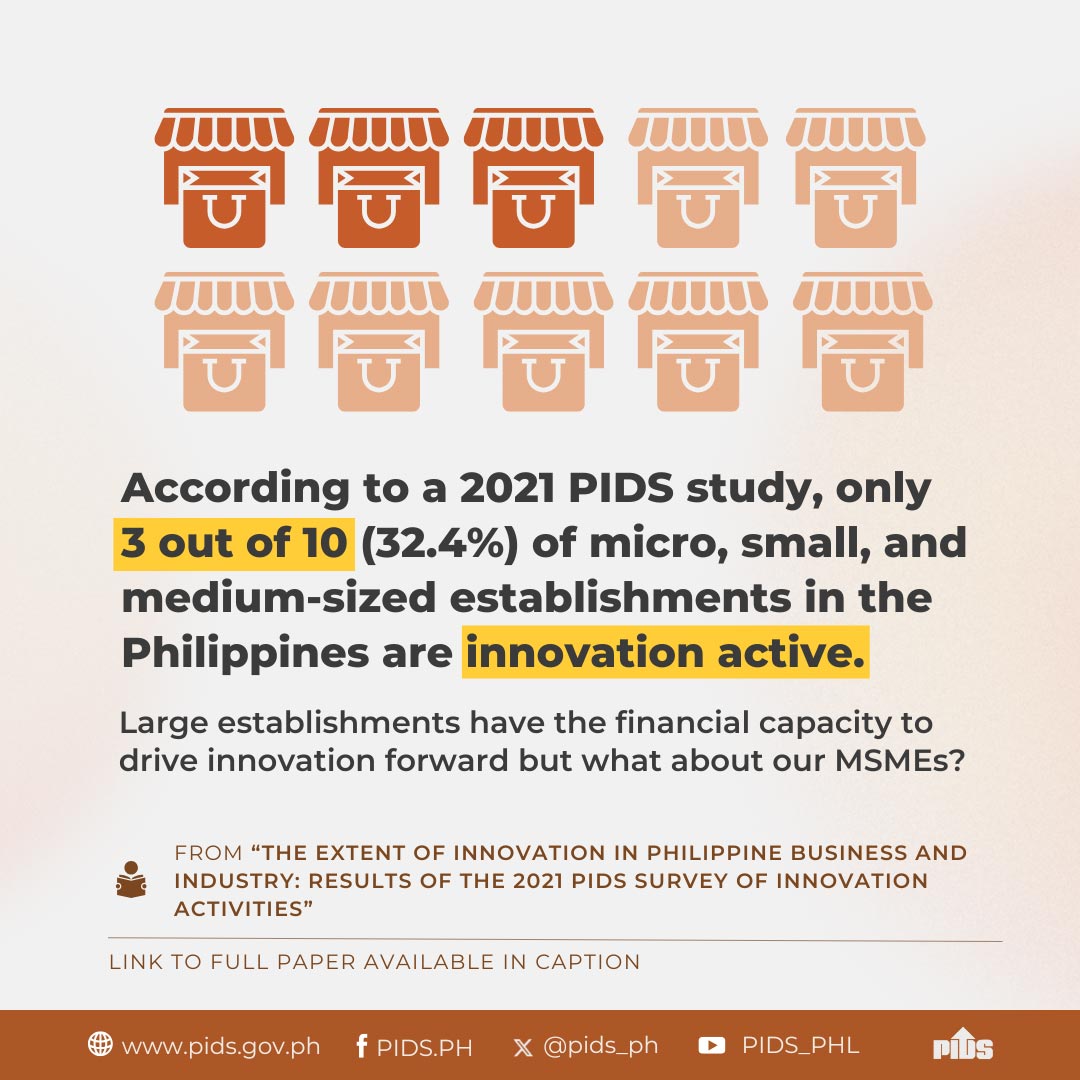
MSME inclusion emerged as another recurring priority.
While digital trade offers significant efficiency gains, participants noted that smaller businesses continue to face higher adoption costs and limited access to digital platforms.
They called for greater investment in digital skills, affordable infrastructure, simplified digital onboarding, and harmonized electronic documentation to ensure that the benefits of digital transformation are shared more broadly across the region.
Representing the Philippines, Dr. Ramonette B. Serafica, Senior Research Fellow at 蘑菇视频, highlighted the country's progress in digital trade facilitation, citing its strong performance in the 2025 UN Digital and Sustainable Trade Facilitation Survey.
She discussed the country's newly launched integrated trade facilitation platform, which will replace TradeNet and eventually connect to the ASEAN Single Window, as outlined in the Philippine Trade Facilitation Committee Roadmap.
Dr. Serafica identified five major barriers to implementing DEFA: infrastructure gaps, regulatory fragmentation, cybersecurity and trust concerns, digital literacy deficiencies, and low local technology adoption.
She emphasized that strengthening digital talent mobility should be a priority, given the Philippines' comparative advantage in services, while ensuring that artificial intelligence complements rather than replaces workers.
Country presentations reflected varying stages of digital transformation while highlighting common priorities for future collaboration.
Brunei presented interoperable digital trade systems as regional public infrastructure anchored on trust.
Cambodia showcased its blockchain-enabled verify.gov.kh platform for secure document authentication.
China, Japan, and the Republic of Korea shared experiences in digital trade governance and international standards, while Malaysia, Myanmar, Singapore, Thailand, and Viet Nam discussed reforms, implementation challenges, and capacity-building initiatives to strengthen digital trade and supply chain resilience.
The Working Group will produce a consolidated report for consideration through the NEAT process.
Among its key recommendations are accelerating the implementation of existing regional commitments, harmonizing legal and technical standards, expanding technical assistance for economies with lower digital readiness, promoting MSME inclusion, and deepening collaboration on cybersecurity, artificial intelligence governance, trusted cross-border data flows, digital payments, and resilient digital public infrastructure.
“The ideas generated through this working group can contribute directly to NEAT's continuing role of providing research-based recommendations to support ASEAN Plus Three cooperation,” Dr. Tuaño said. ###