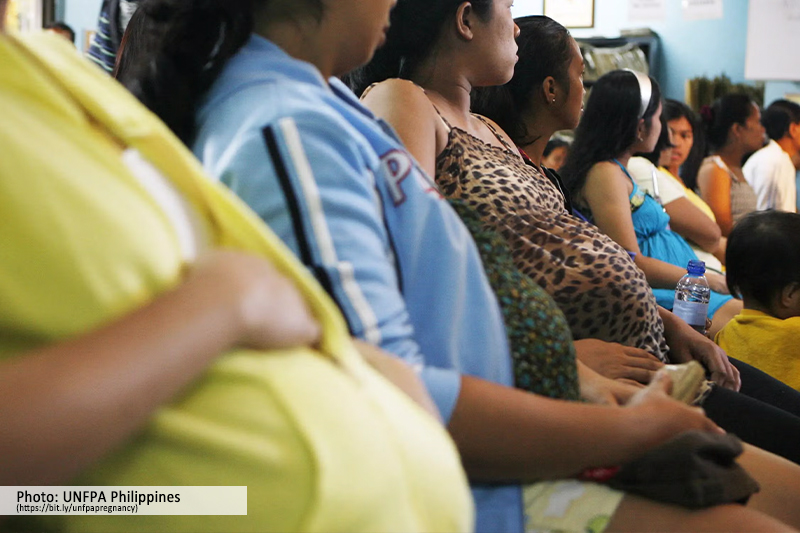
This Policy Note examines changes in family formation in the Philippines and their implications for development and investments in children. The authors point out that the country’s total fertility rate has dropped to 1.7 children per woman, with teenage childbearing at its lowest recorded level. Despite this progress, teenage childbearing, unmet family planning needs, and child development challenges remain prevalent in poorer and more disadvantaged households. Thus, the authors underscore the need to transition priorities from curbing population growth to enhancing human capital. They recommend expanding investments in early childhood development, parenting support, and interventions aimed at vulnerable children and families. They also call for stronger support for families, sustained protection for adolescents, and early planning for population aging while the country’s demographic dividend remains open.